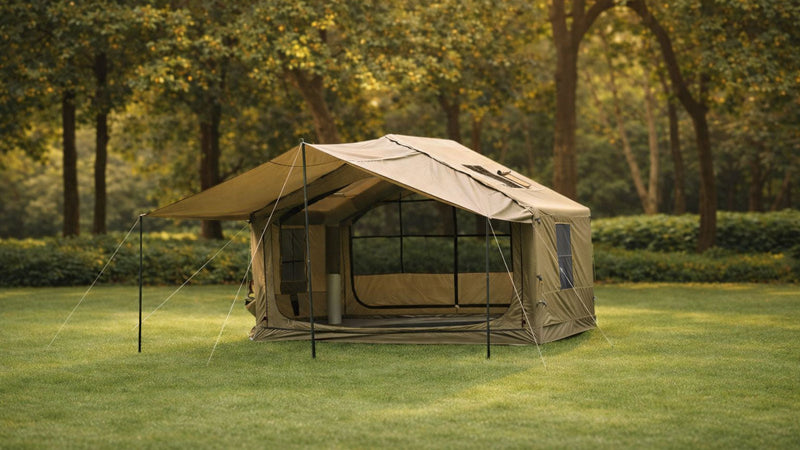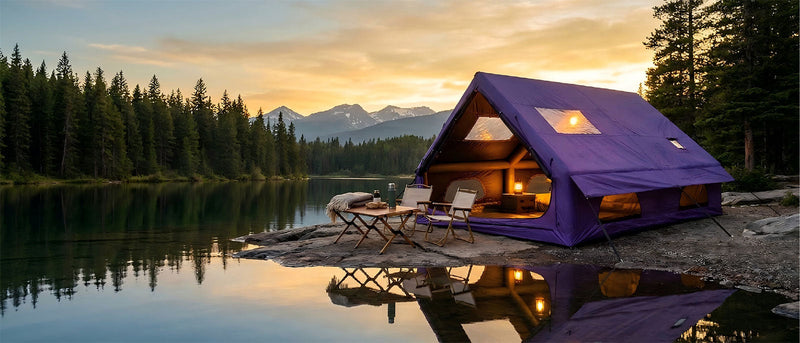

Quick answer: The biggest mistakes people make with inflatable tents in wet weather are skipping ground prep, ignoring air pressure drops in the cold, and packing the tent away damp. Fix those three things and your air tent will last years longer than most people expect.
Rain camping gets a bad reputation, but most of the problems people have are preventable. A quality inflatable tent handles wet weather better than a lot of traditional pole tents — the air beams flex in wind instead of snapping, and modern fabrics are designed to shed water for hours. The issue usually isn't the tent itself. It's how people set it up, manage it through a rainy night, and pack it away afterward.
I've seen tents with mold on the floor after two seasons because the owner never dried them out before storage. I've also seen air tents that have done eight or nine seasons in the Pacific Northwest with zero issues — because the owner knew what to watch for.
Here's the complete picture.
Why Inflatable Tents Actually Perform Well in Rain
Before getting into maintenance, it's worth understanding why air tents hold up in wet weather — it changes how you think about care.
Traditional aluminum or fiberglass pole tents are rigid. In wind-driven rain, that rigidity works against you — poles transfer stress into the fabric at stress points, which is usually where leaks start. Air beams don't do that. They flex with gusts rather than fighting them, which means the fabric stays under less stress and seams take less beating over time.
Most quality inflatable camping tents also use thicker base fabrics than ultralight backpacking shelters, with hydrostatic head ratings of 3,000mm or higher. That means the fabric can sustain a column of water 3 meters tall before moisture penetrates — more than enough for sustained heavy rain.
That said, no tent is indestructible. The coating degrades over time, pressure changes affect performance, and moisture in storage will kill any shelter eventually. Here's how to stay ahead of all of it.
Before the Rain: Setup Tips That Prevent Most Problems
1 Pick Your Site Like It's Going to Pour
Site selection is the single highest-leverage decision you make on a camping trip. Even a tent rated for heavy rain will struggle if you pitch it in a natural drainage channel.
- Avoid low spots and bowl-shaped ground. Water flows downhill and collects. If it rains hard, you'll wake up in a puddle regardless of your waterproof rating.
- Look for slight elevation. Even a foot of height above the surrounding ground lets water drain away from you.
- Clear the footprint area. Remove sticks, rocks, and pinecones before laying the tent down. These don't need to be large to eventually work through a groundsheet under repeated use.
- Check for overhead hazards. Dead branches get heavy with rain. Don't camp directly under them.
2 Always Use a Groundsheet (Even If Your Tent Has a Bathtub Floor)
A bathtub-style floor — where the floor fabric wraps up the sides a few inches — is standard on good inflatable tents and keeps ground moisture out effectively. But it doesn't protect the exterior of the floor fabric from abrasion and slow degradation.
A heavy-duty groundsheet or footprint underneath your tent does two things: it keeps the floor fabric dry on the outside (so you're not scrubbing mud off it every trip), and it adds another layer between you and any ground moisture that works its way up.
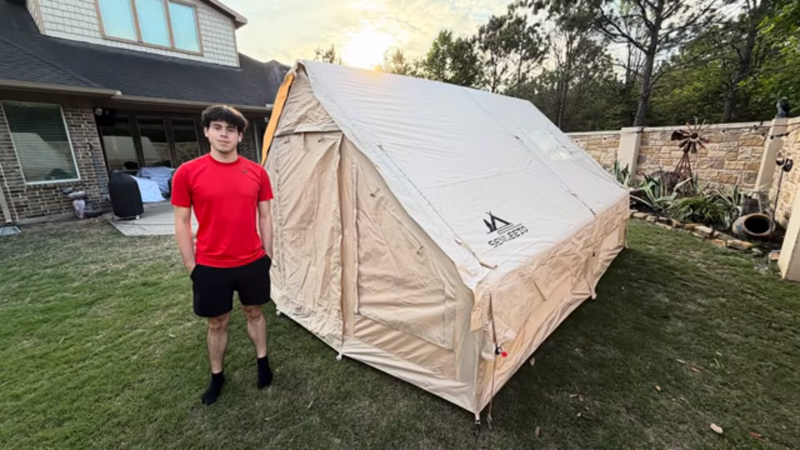
For a tent the size of the Senleeto Grand Lodge — 157" × 118" footprint — cut your groundsheet slightly smaller than the tent floor so rain doesn't pool on it and wick under the tent.
3 Stake and Guy Line Before It Gets Windy
This one people always skip when the weather looks okay at setup. Inflatable tents with properly tensioned guy lines in four directions shed wind dramatically better than a tent that's just staked at the corners. In a storm, the difference is obvious.
Stake at a 45-degree angle away from the tent, not straight down. Angle stakes hold better in soft, wet ground.
During the Trip: Managing Your Air Tent Through Wet Weather
4 Check Air Pressure Every Morning
This is the maintenance tip that surprises most new inflatable tent owners. Air pressure is temperature-dependent. When it's warm during the day and cold at night, the air in your beams contracts — and soft beams don't perform the same as properly pressurized ones.
⚠️ The overnight pressure drop is real. A tent that feels firm at 7 PM may feel noticeably softer at 6 AM after a cold night. This is normal — it's not a leak. Top up with a hand pump and you're good.
Quick pressure check: press firmly on the beam with your palm. It should feel like a firmly inflated bicycle tire — some give, but no buckling. If it buckles, add air. If you're camping somewhere hot where afternoon sun heats the beams significantly, release a small amount of air at midday to prevent over-expansion.
5 Keep the Rainfly Tensioned
A rainfly that's sagging in the middle collects water. That pooled weight can stress attachment points, pull the fly out of shape, and in heavy rain eventually find its way through. Keep your rainfly taut. After heavy rain, brush pooled water off with your hand so the fabric can drain.
The Senleeto Grand Lodge includes a full-coverage rainfly specifically designed for this — full coverage matters because partial flies leave the main tent fabric exposed to wind-driven rain hitting sideways.
6 Ventilate Even When It's Raining
This seems counterintuitive but matters a lot: condensation from sleeping bodies builds up faster in a sealed tent than outside rain gets in through proper vents. In a tent with 4–6 people sleeping, you're adding significant moisture to the air every night.
Keep low-profile vents open slightly. In the Senleeto Grand Lodge, the skylights can be partially cracked without letting rain in. Proper ventilation keeps the interior dry, reduces condensation on the walls, and makes the sleeping environment noticeably more comfortable.
After the Trip: The Most Important Maintenance Step
⚠️ Never store an inflatable tent wet or even damp. This is the number one way people ruin otherwise good tents. Moisture trapped in storage creates mold and mildew within days, destroys the waterproof coating, and creates odors that don't come out.
7 Dry It Completely Before Storage — Every Single Time
If you packed up in the rain (which happens), here's the process when you get home:
- Unpack the tent immediately — don't leave it rolled up in your car trunk overnight.
- Set it up in your garage, driveway, or backyard if the weather cooperates. If you can't fully inflate it, unfold it completely and drape it over something.
- Let it air dry for several hours — both the exterior and interior. Flip it over halfway through to get the floor fabric.
- Pay attention to the corners and seams. These hold moisture longer than flat sections.
- Pack it only when it feels fully dry to the touch everywhere, including the storage bag.
8 Re-Seam and Reapply DWR Once Per Season
The Durable Water Repellent (DWR) coating on your tent fabric is what makes water bead up and roll off rather than soaking in. It degrades with UV exposure and regular use. You'll notice it's fading when water stops beading and starts "wetting out" on the fabric surface.
- Seam sealer: Apply to any seams that show wear, once per season. Products like Seam Grip or Gear Aid work on most tent fabrics.
- DWR spray: A spray-on DWR restorer (Nikwax Tent & Gear SolarProof, for example) brings back water-beading performance. Apply to a clean, slightly damp tent, wipe evenly, and let dry.
This adds maybe 30 minutes once a year and meaningfully extends the life of the waterproof coating.
Quick Reference: Rain Camping Maintenance Checklist
| When | Action | Why It Matters |
|---|---|---|
| Before setup | Choose elevated, well-draining site | Prevents ground flooding |
| Before setup | Lay groundsheet under tent | Protects floor, blocks moisture |
| During setup | Stake all guy lines | Wind + rain stability |
| Every morning | Check and top up air beam pressure | Overnight temp drop reduces pressure |
| During heavy rain | Clear pooled water from rainfly | Prevents stress on attachment points |
| Every night | Crack vents slightly | Reduces interior condensation |
| After every trip | Fully dry before storage | Prevents mold and coating damage |
| Once per season | Reapply DWR, check seams | Maintains waterproof performance |
Common Inflatable Tent Rain Problems (And How to Fix Them)
Problem: Beams feel soft after a cold night
Not a leak — just thermal contraction. Use your hand pump to bring pressure back up in the morning. If you're in a location with big temperature swings (desert, high elevation), budget 2–3 minutes every morning for this.
Problem: Condensation on the interior walls
This is moisture from your breath and body heat hitting the cold tent fabric. It's not rain coming in. Increase ventilation — open vents, crack the door slightly. If condensation is severe, a small battery-powered fan pointed at the ceiling helps move moisture-laden air toward vents.
Problem: Small leak in an air beam
Blow up the beam fully and listen for the hiss, or run soapy water along the beam and watch for bubbles. Mark the spot. Once dry, patch with the repair kit included with your tent (or a standard PVC patch kit). This is a 10-minute fix — far less painful than dealing with a snapped fiberglass pole in the middle of a trip.
Problem: Water pooling at tent corners after rain
Usually means the groundsheet is larger than the tent footprint, acting like a funnel. Trim it to match (or slightly smaller than) the tent floor so water doesn't collect underneath.
Frequently Asked Questions
Yes, if they're rated at 3,000mm hydrostatic head or higher and properly maintained. The air beams and thicker fabric on most quality inflatable tents actually handle sustained rain better than budget pole tents because there are fewer stress points where leaks start. The seams and the groundsheet contact area are the most common weak spots — address those and you're in good shape.
Inflate the tent in calm conditions and check pressure after 30 minutes without any temperature change. If it drops significantly, you likely have a slow leak. If it holds steady indoors but drops overnight camping in the cold, that's thermal contraction — normal and not a defect.
Standard camping safety applies: get off exposed ridgelines and open fields, avoid single tall trees. The tent material itself isn't a lightning attractor. Keep guy lines staked and tensioned. Inflatable tents actually handle high wind better than many pole tents because the beams flex.
With proper care — dry storage, annual DWR maintenance, not over-inflating — a quality inflatable tent should last 5 to 10 seasons of regular use. The most common failure points are the beam seams and the floor coating, both of which are repairable.
Cold water and a soft sponge. Never use a pressure washer — it strips the DWR coating. Don't use detergents unless they're specifically rated for tent fabrics (Nikwax Tech Wash is the standard recommendation). Rinse thoroughly and dry fully before storing.
Yes — the Grand Lodge includes a full-coverage rainfly. It also has built-in ventilation, a stove jack for winter use, and an AC port for summer camping. It's designed to handle the full range of conditions you'd actually take a family camping tent into.
Looking for a tent built to handle all of this?
The Senleeto Grand Lodge Inflatable Tent comes with a full rainfly, stove jack, AC port, and 83" center height — designed for 4-season use, not just fair-weather weekends.
Shop Heavy-Duty Inflatable Tents →Got a wet-weather camping tip that's saved a trip? Drop it in the comments — we read all of them.